
When your puppy stops being a puppy and grows into a proper adult dog, what changes will you have to make to their diet to keep up with that change? Supplements that stay on top of your dog’s dietary needs may seem like the perfect solution, but should you be giving your dog supplements in the first place?
If you’re completely new to the world of dog supplements, this is the perfect place to start. We’ve done the homework for you (so you don’t have to). Keep reading to find out what you’ll need to know about this controversial topic to make an informed decision for your fur baby. Also, do check out our other articles if you’re looking for a trustworthy source on everything dog-related.

Dog Supplements
You’re probably already familiar with the concept of supplements and you might already have a routine of taking some for yourself. Supplements can be created to address a whole load of things. But they are essentially a way to introduce needed vitamins and minerals into the body, so you won’t have to keep track of all the things you need to get from your diet.
In the same way, supplements for dogs were created in the hopes of addressing any potential gaps in a dog’s diet. In the US alone, a third of dogs and cats get supplements from their fur parents and that number could still rise.
Should You Be Giving Your Dog Supplements?
While supplements are already quite popular among dog owners, veterinary experts and doctors are still divided on their use. Are they safe to use and are they even necessary?
Though there have been efforts by the Food and Drug Administration to regulate the production of dog supplements, many ineffective ones still slip through the cracks. As with most things dogs ingest into their bodies, it is important to look at the ingredients to make sure you’re actually getting what your dog needs – not any more or less.
But do dogs even need supplements?
Commercially produced dog food and kibble is formulated with all your dog’s dietary needs in mind, so dogs on this diet will rarely need extra supplements on the side. In fact, giving them extra supplements on top of what they already eat could even be dangerous.
But if you’re giving your dog your own homemade food, raw food, or a mix of both, it could be essential to give them supplements to help them bridge the gap in their diet.
What Kind of Supplements Are Beneficial?
At this point, you already know that most dogs probably won’t need supplements. But if your dog is an ideal candidate to receive supplements, what kind should you look for?
On the market, there are – frankly – too many supplements to choose from. Offering everything from calcium to probiotics, there seems to be a supplemental solution to almost every ailment a dog can have.
Here’s a good example of a popular probiotic that fur parents give to their dogs:

If you have a relatively young and healthy dog, supplements won’t really be necessary, but it might still be a good idea to give them supplements to aid their digestion (a common problem area for many dogs).
Probiotics and digestive enzymes are quite good at keeping everything moving and dogs tend to react positively to their addition to their diet. Of course, giving supplements to young dogs should be coupled with enough exercise. This is true even if your dog lives indoors and there are many home treadmills that you can check out if you’re not used to taking them out for a walk.
But if you have an older dog, adding certain supplements to keep illnesses at bay is certainly a good idea. Vitamin C, Vitamin E, and B-complex supplements all help keep degenerative diseases away and they also aid your dog’s energy levels and overall health.
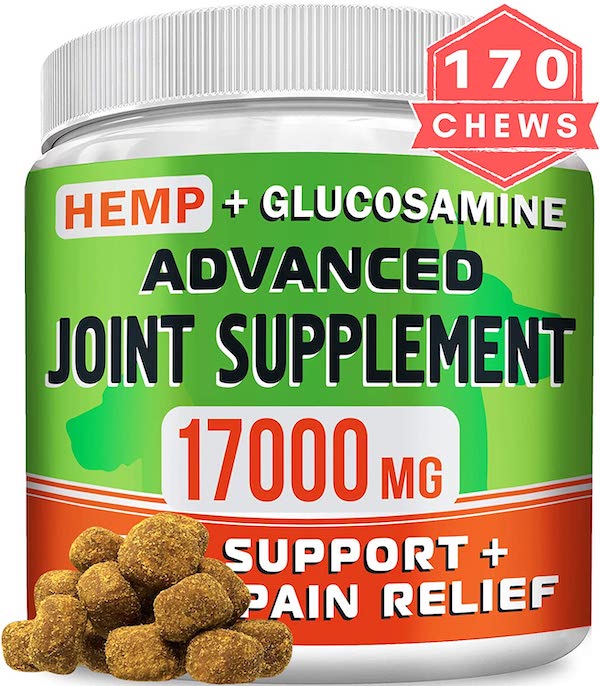
Because while they do get vitamins from their food, they may not be receiving enough to really keep them at their healthiest state. Before you go about looking for a supplement, however, it could save you a lot of trouble to evaluate their food to make sure you’re giving them the best.
There are general answers to many common fur baby problems in supplements. If you’re curious about what supplements can make your dog’s life better and easier, you should consult your vet to find out what specific supplements they recommend. It is also important to remember that adding too many things at once to your dog’s diet can catch their system off-guard and lead to more health problems.
So, if you’re serious about giving your dog supplements, talk over a plan of action with your vet to make sure you’re acting within your dog’s best interests.
Conclusion: A Word of Caution
Because the market and the industry are relatively young (compared to, say, human supplements), it is important to keep in mind that there are still many things we don’t understand about dog supplements.
One thing we still can’t fully predict is the possible side effects that come with giving dogs supplements. Nausea and diarrhea can happen if a dog does not respond well to a supplement. That’s why it’s important to remain vigilant in the process of introducing new things to a dog’s diet. Sticking to supplements that are backed up by research could be a way to avoid these side effects.
Again, we cannot stress how important it is that you talk to your dog’s vet through every stage of the supplement selection process. As a trained medical professional, your vet’s input is more important than any article you can find online (yes, including ours). That doesn’t mean that you should rule out any research that you find, but that your vet knows your dog and will know what is best health-wise for them in the end.